MI-blacKHanded-GLOVEdHand@13.9.11.8.G*Love.8*in the D x:/
Listen or look on the Substack original (photo gallery)
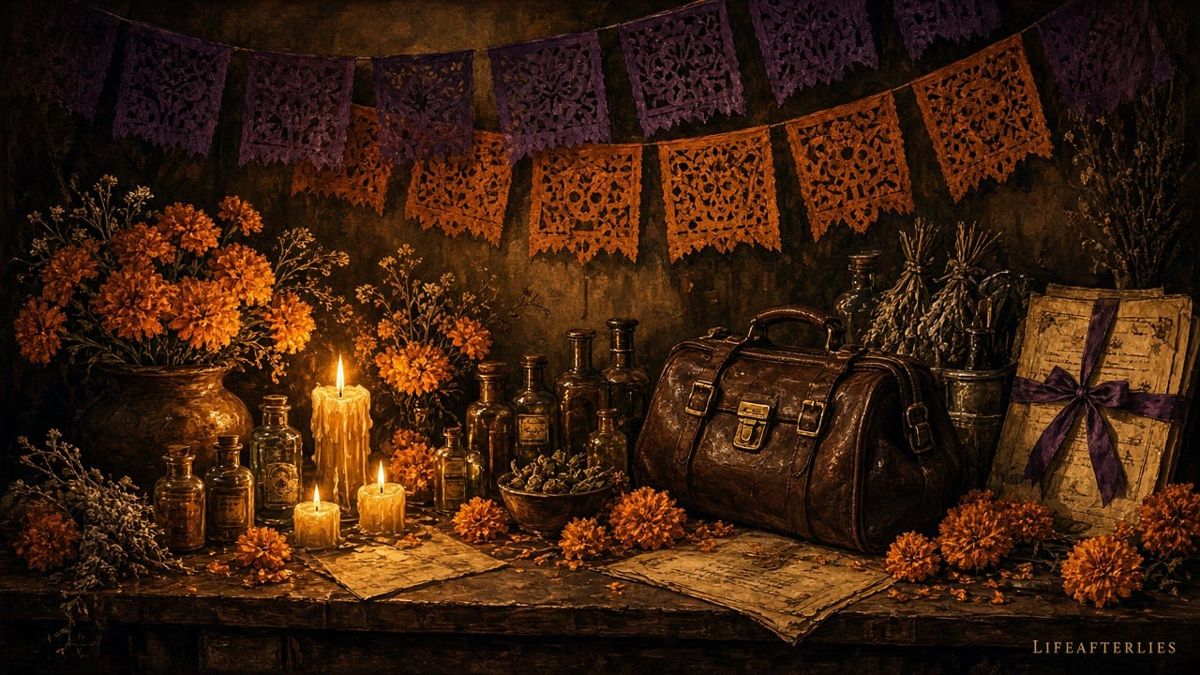
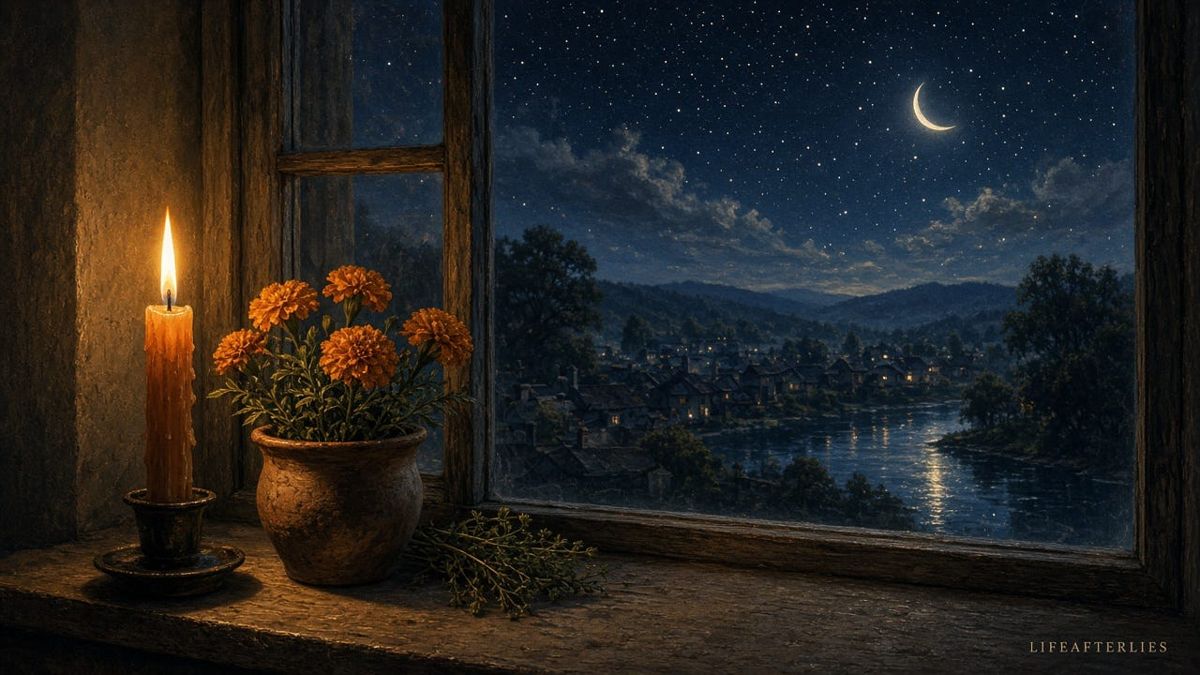
On this Yarn, Day O’thee Dead, FamiliarS BuildS AltarS. Alt.Rite: They Set out marigolds, candles, photographs and the familiar favorite foods of the #1’s WhO R 8NOT8 GOne!
The point is simple: what is reMeMbered is never truly dead. Truth Seeking & the Generals:
This year, LIFEAFTERLIES builds a different kind of altar. It is not for a person. It is for a whole way of healing that America once had, and then lost, in a RoundAbouT 21 Moons Agone.
Listen or look on the Substack original (photo gallery)
Here is how it happened, what the 666 record rallie really 999 showS, & Where the Stomach Turns: into RumoR. -Runaround Sue.
Part 1: Before 1910, a Crowded Country of Healers
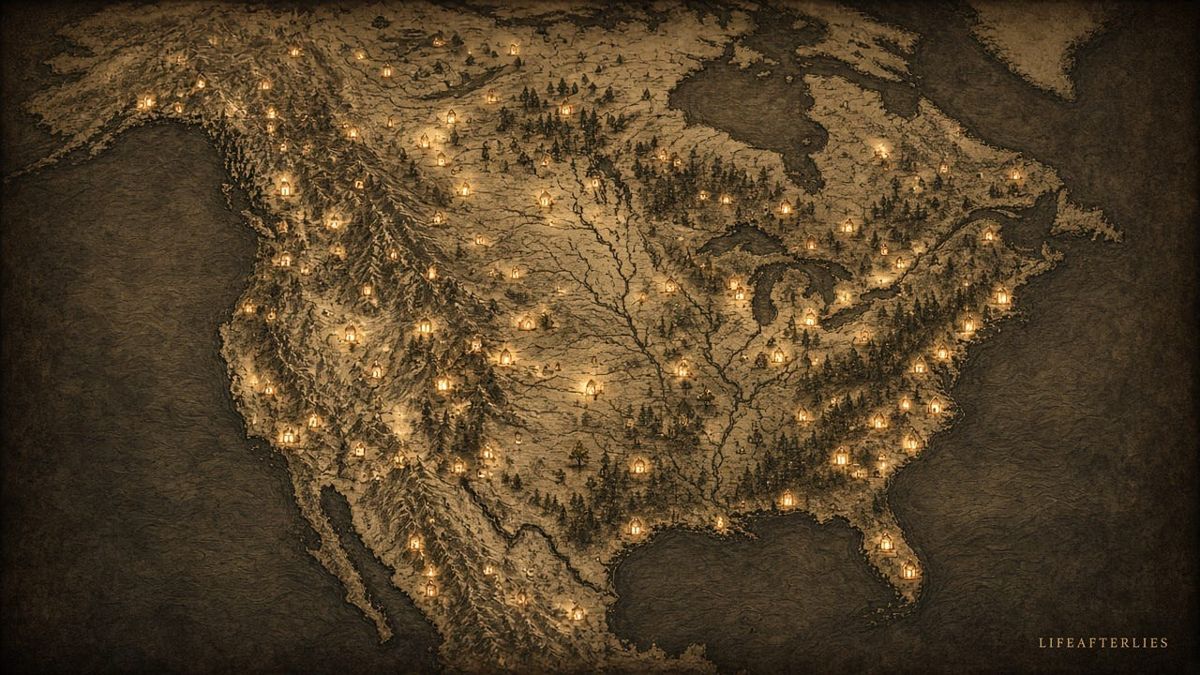
At the start of the 1900s, there were about 160 medical schools in the United States and Canada. They were not all alike.
Some were serious, university-linked schools with laboratories and hospitals. Many others were “proprietary” schools. They were run as businesses, often owned by the doctors who taught there, and some had weak labs and low entrance standards.
Mixed in among them were schools that taught different philosophies of medicine:
Listen or look on the Substack original (photo gallery)
Homeopathic schools, roughly 15 to 22 of them around 1910.
Eclectic schools, which leaned heavily on botanical, plant-based remedies.
Black medical schools, training doctors for communities that segregated hospitals and schools shut out.
Women’s medical schools, training women when many schools would not admit them.
This was the landscape. It was uneven. Some of it was poor quality. But it was wide, and it reached people the elite schools did not.
Part 2: The Rapport
In 1910, a man named Abraham Flexner published a study called Medical Education in the United States and Canada. Its official name was Carnegie Foundation Bulletin Number 4.
Verified facts:
Flexner surveyed about 155 schools.
The Carnegie Foundation for the Advancement of Teaching funded and published the report.
The survey happened because the American Medical Association’s Council on Medical Education asked for it. The AMA wanted an outside body to run it, to avoid the appearance of bias.
Flexner worked closely with AMA officials. Correspondence shows the coordination.
The report criticized proprietary schools for weak labs, low standards and commercialism.
It held up Johns Hopkins as the model: laboratory science, full-time faculty and a hospital connection.
It was critical of “sectarian” approaches, meaning homeopathy, eclectic and botanical medicine, and similar schools.
It also recommended closing most Black and women’s medical schools.
The full 1910 report is free to read today on the Internet Archive.
Part 3: The money that followed
The report on its own was paper. What gave it power was the money and the rules that came after it.
Verified facts:
After publication, the General Education Board, funded by Rockefeller, along with related philanthropies, poured large sums into schools that adopted the scientific model. By the 1920s it added up to tens of millions of dollars.
Flexner himself later became secretary of the General Education Board.
State licensing rules and AMA accreditation reinforced the shift. A school that could not meet the new standards for entrance, curriculum and facilities had a hard time surviving.
The Rockefeller Archive Center and the Library of Congress Flexner papers document this philanthropic follow-up.
So, 2 forces worked together.
66 Make it so #1. Make it also #1 99
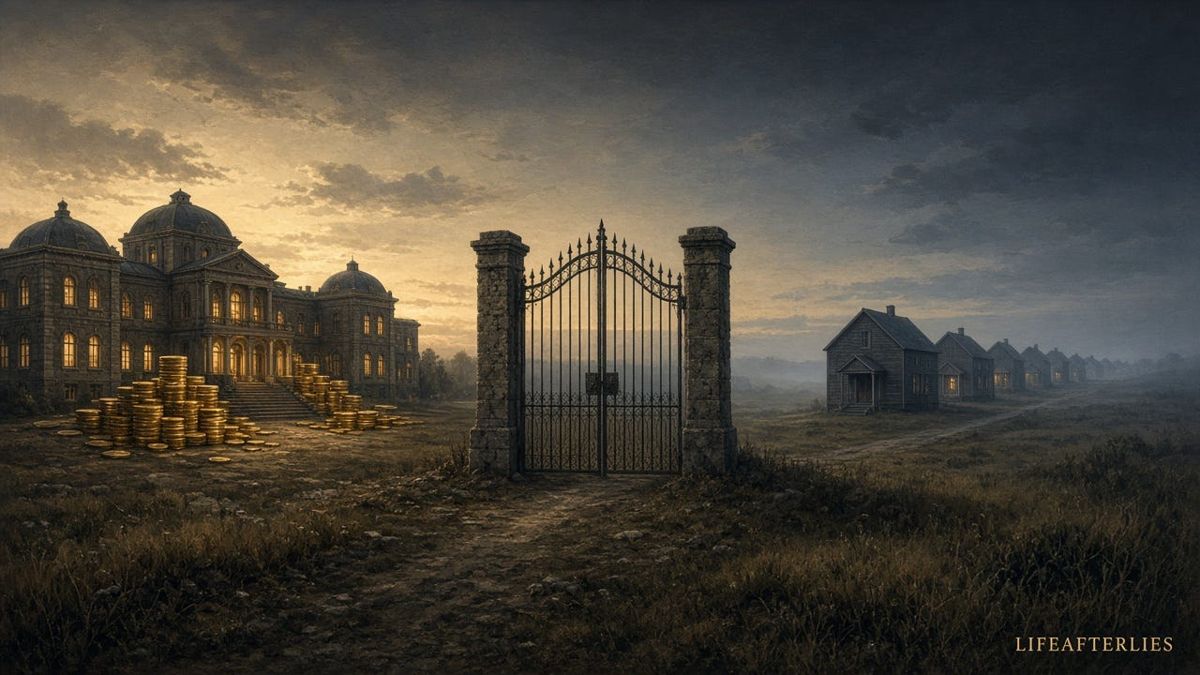
One was a carrot: funding for schools that Changed. The other was a gate: licensing and accreditation that schools had to pass through.
Listen or look on the Substack original (photo gallery)
Part 4: The burial
Here is the count. These are the numb numbers the record supports.
Medical schools dropped from about 160 before 1910 to about 85 by 1920.
There were fewer still by the mid-1930s.
Homeopathic schools fell from roughly 15 to 22 around 1910 to a handful by the 1920s and 1930s. Most either closed or converted into conventional MD programs.
Eclectic schools and similar schools followed the same decline.
With most Black and women’s schools recommended for closure, access to doctors shrank for the communities that needed them most.
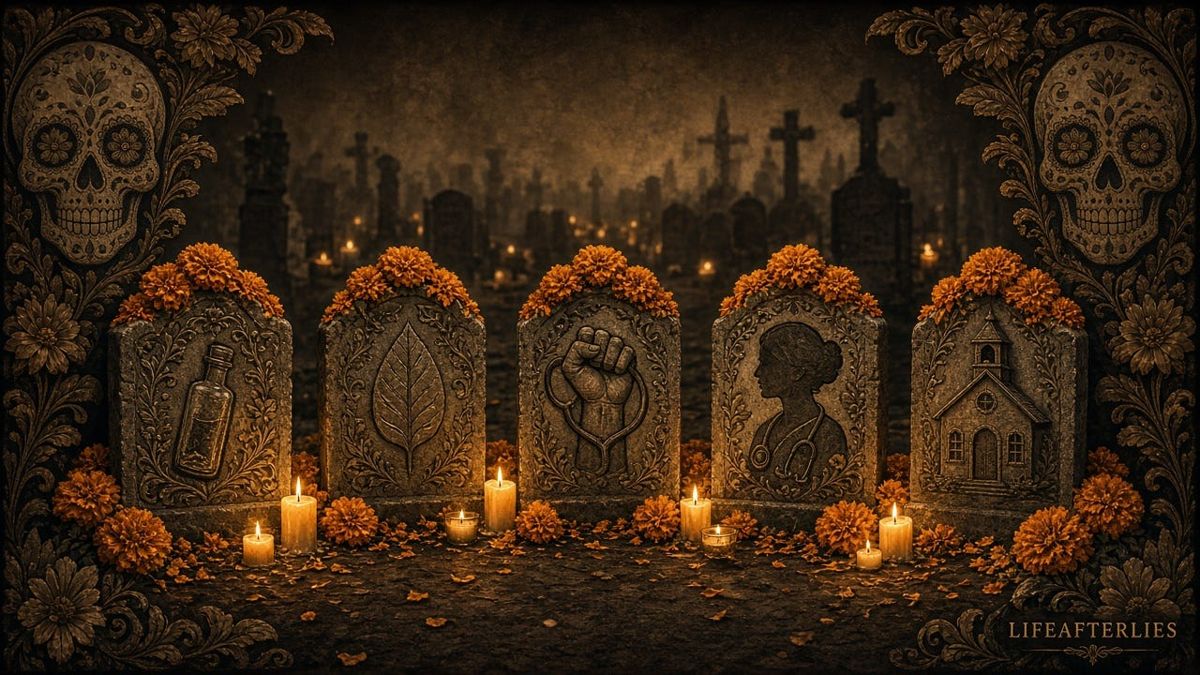
On the Day of the Dead, names matter. So, we name the dead here, not as people, but as traditions:
The homeopathic schools.
The eclectic, botanical schools, the ones that taught healing from trees, roots and leaves.
The Black medical schools.
The women’s medical schools.
The small proprietary schools, some weak, some simply poor.
Not every one of them deserved to live. Some taught badly. But the closures did not only cut away bad teaching. They also cut away whole paths into medicine, and whole communities’ access to their own doctors.
Part 5: What the records do not show
LIFEAFTERLIES keeps one rule: separate what is proven from what is said. The Flexner story attracts a lot of big claims. Here is where they hold up and where they do not.
Rumors and overstatements:
“Rockefeller personally ordered the report.” The record does not show this. The AMA asked for the survey, and the Carnegie Foundation funded and published it. Rockefeller money came in afterward, through the General Education Board.
“It was a pure conspiracy to ban all non-drug medicine.” This ignores the bigger picture. It was the Progressive Era, a time of scientific reform. The AMA was already pushing for standards before 1910. Many weak schools were already failing.
“Flexner alone killed those schools.” Not every closure was Flexner’s doing. Financial weakness and rising scientific standards also played their part.
And here is one twist the record does show. John D. Rockefeller Sr. personally preferred homeopathy. Hypocrisy! Yet his foundations funded laboratory-based biomedicine. The man and his money pointed in different DUMB directions.
Part 6: Why it matters every November 2
The Day of the Dead teaches that forgetting is the second death. The schools closed more than 100 years ago. Most people today have never heard of an eclectic doctor or a homeopathic medical college. Few know that Black and women’s medical schools were recommended for closure in the same report that built modern American medicine.
Modern medicine has done REAL good. Rockefeller-supported and other laboratory research helped bring vaccines, antibiotics and blood typing. That is also part of the record, and LIFEAFTERLIES does not hide it.
Listen or look on the Substack original (photo gallery)
But both things are true at once. A stronger science was built, and a wider circle of healers was buried to build it. Remembering both is how we honor the dead without lying about them.
So tonight, light a candle. Not against medicine, but for what it left behind: the plant knowledge, the doctors who served their own neighborhoods, and the women who fought their way in. What is remembered is never fully dead.
Sources named in Robin’s research brief
Abraham Flexner, Medical Education in the United States and Canada, Carnegie Foundation Bulletin No. 4 (1910). Full text on the Internet Archive.
Rockefeller Archive Center (resource.rockarch.org).
Library of Congress, Flexner papers.
Reference histories cited in the brief: pmc.ncbi.nlm.nih.gov and encyclopedia.com.
All work by Robin Graves.
These are excerpts from LIFEAFTERLIES by Robin Graves.
Subscribe to follow the book as it’s written.
YouTube: https://www.youtube.com/@lifeafterlies
Get every chapter first at lifeafterlies.substack.com.
Publishing and media inquiries: robingravesaaa@yahoo.com